


As the days get longer and the light shifts, your houseplants know that spring is coming(even before you do).
After months of slower growth, dry indoor air, and reduced sunlight, most houseplants need a gentle reset. Spring is the most important time of year for plant care. What you do now determines how lush, vibrant, and healthy your indoor jungle will look all year.
Here’s exactly how to wake up your houseplants for spring.

1. Increase Light Exposure Gradually
Spring sunlight is stronger and lasts longer, so be mindful about shocking but your plants.
If your plants were moved closer to windows during winter, reassess their placement. Monitor:
Leaf fading or bleaching
Curling edges
Sudden drooping
Rotate plants weekly for even growth and consider sheer curtains for bright south- or
west-facing windows.

2. Refresh the Soil (Top Dress or Repot)
Spring is ideal repotting season. Below are signs that your plant might need repotting:
Roots circling the pot
Water running straight through
Stalled growth
Compacted soil
For plants not ready for a full repot, remove the top 1–2 inches of old soil and replace with fresh potting mix. This replenishes nutrients and improves drainage.

3. Start Fertilizing Again
Most houseplants enter active growth in spring.
Begin feeding with a balanced liquid fertilizer at half strength every 2–4 weeks. Increase gradually depending on the plant type.
Be cautious and avoid fertilizing:
Stressed plants
Recently repotted plants (wait 3–4 weeks)
Spring feeding fuels new leaves, stronger roots, and fuller growth.

4. Prune for Shape and Fullness
Winter often leaves plants leggy or uneven.
Use clean, sharp shears to:
Remove yellowing or damaged leaves
Trim leggy stems
Encourage bushier growth
For vining plants like pothos or philodendron, prune just above a node to stimulate branching.

5. Check for Pests Early
Spider mites, fungus gnats, and thrips often explode in early spring.
Inspect:
Undersides of leaves
New growth
Soil surface
Wipe leaves with diluted neem oil or insecticidal soap as preventative care. Early detection prevents infestations during peak growing season.
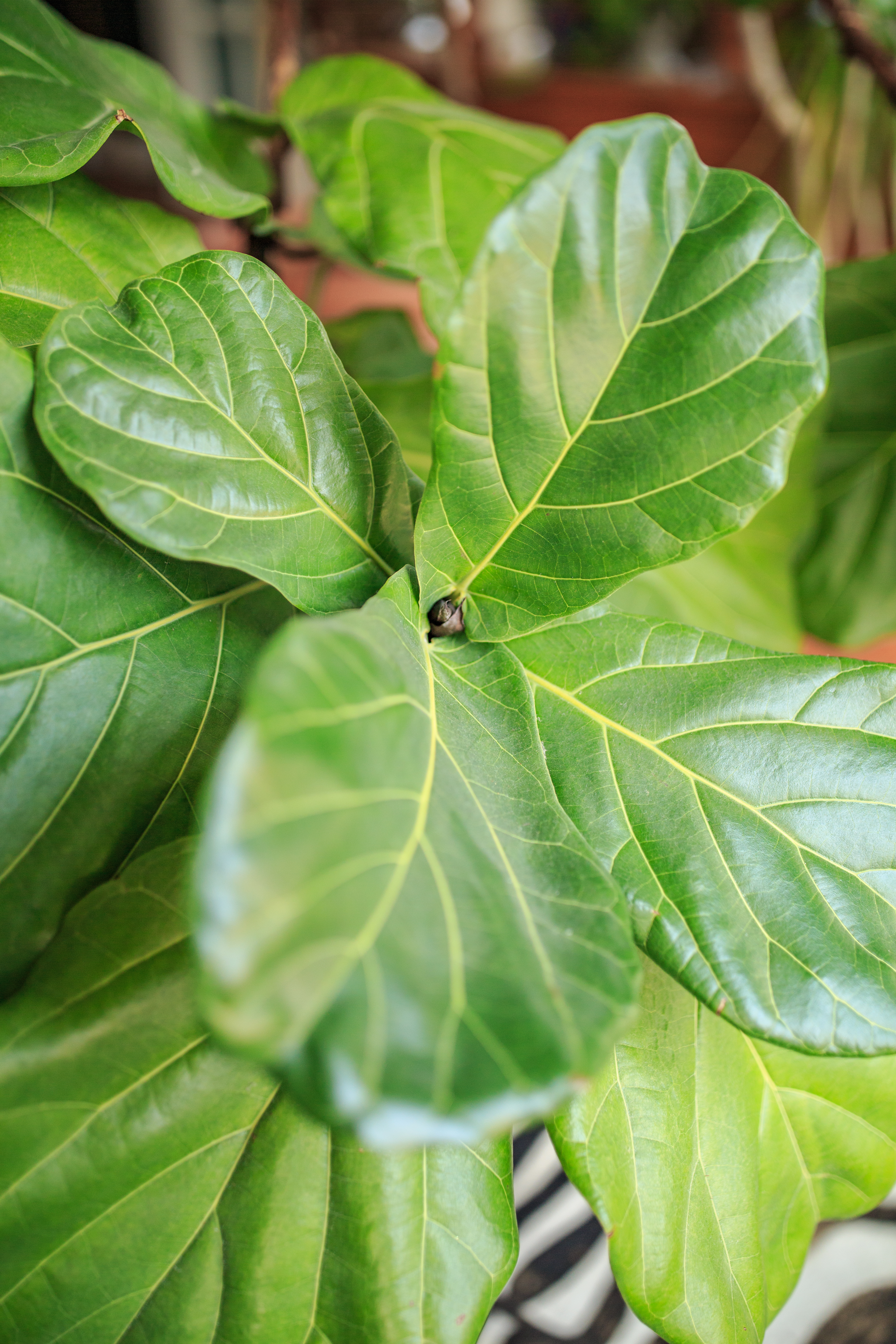
6. Deep Clean Leaves
Dust buildup blocks light absorption.
Use a damp microfiber cloth to wipe leaves. For larger collections, a lukewarm shower rinse works beautifully.
Clean leaves = better photosynthesis = stronger growth.

7. Adjust Your Watering Routine
With increased light and warmth, plants dry out faster.
Instead of watering on a schedule, check soil moisture weekly. Stick your finger 1–2 inches into the soil and water only when dry at that depth.
Spring often means more frequent watering — but always let the plant guide you.
Spring plant care doesn’t need to be complicated; a little pruning, fresh soil, and increased light now will reward you with months of lush growth.
photography: Courtney Cheatham, Cesia Noemi, Kate Rangel